







Search Results for: coffee scoring standards

What is the difference between specialty coffee beans and commercial coffee beans? Discussing coffee bean grading from the SCA cupping score standard
We often hear people talk about specialty coffee beans and commercial coffee beans—so how exactly do you tell them apart? According to the Specialty Coffee Association (SCA), the dividing line is a cupping score of 80: beans scoring above 80 are considered specialty coffee beans, while those below 80 are classified as commercial coffee beans. But the reality is far more complicated than this standard—the SCA itself does not actively score beans on the market; so-called SCA scores are actually the results that students arrive at using the scoring method taught in SCA training. This way of distinguishing them still has no small number of limitations to this day. This article will discuss what specialty coffee beans really mean, and the core differences between them and commercial coffee beans. [more…]
Barista Essentials: A Complete Guide to COE and SCAA Cupping Scoring Standards, from Clean Cup to Overall
If you want to become a professional barista, cupping is a core skill you can't avoid. This article systematically sorts out the scoring standards of the two major cupping systems, COE and SCAA, analyzing the scoring points and deduction rules one by one, from aroma, cleanliness, sweetness, acidity, mouthfeel, flavor, aftertaste to balance. It also explains in detail the tools needed for cupping, the coffee-to-water ratio, and the operating process, and uses [Front Street Golden Mandheling] as an example to compare the cupping performance of three roasting curves. Whether you are a coffee enthusiast or a practitioner, you can learn from it the scientific method of judging coffee quality and understand the true meaning of COE competition level. [more…]
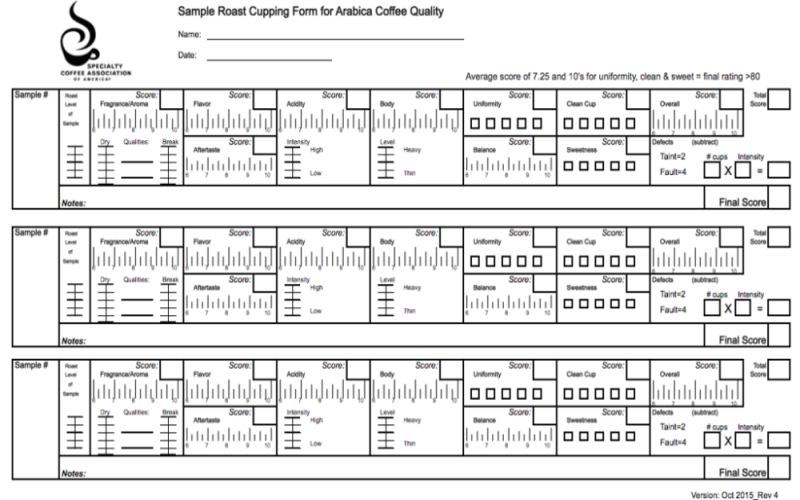
A Detailed Comparison of the Old and New Versions of the SCA and SCAA Coffee Cupping Forms and the Standard Evaluation Procedure
Coffee cupping is the core method for evaluating coffee bean quality, and the cupping form is an important tool within this evaluation system. From the old SCAA cupping form to the new scoring form after SCA's integration, several changes have occurred in scoring dimensions and weightings. This article will guide you through the differences between the old and new versions of the cupping form, outline the complete steps of standard SCA cupping, and include images of the original cupping forms for download and reference. Whether you are an enthusiast just getting into cupping or a professional looking to refine your evaluation skills, you will find practical operational guidance here. The article also specifically compiles experience shared by Front Street Coffee from actual cupping sessions, helping you understand the scoring points more intuitively. [more…]

A Detailed Guide to the SCA and CoE Coffee Cupping Scoring Systems: Flavor Wheel Application and 2023 HD Wallpaper Resources
Cupping is the primary step for verifying coffee quality after roasting. By standardizing grind size, coffee-to-water ratio, water temperature, and steep time, it objectively reveals a bean's truest flavors. This article systematically outlines the purpose of cupping, the required equipment, and standard parameters, walks step by step through the complete process of pouring, smelling, breaking the crust, and slurping, and takes an in-depth look at the eight scoring categories on the CoE cupping form and how they differ from the SCA scoring system. It also compiles common descriptive terms from the flavor wheel and includes a high-resolution 2023 flavor wheel wallpaper resource, making it a handy reference for coffee enthusiasts and professionals alike. [more…]

A Complete Guide to the Cup of Excellence (COE): Scoring Standards, Competition Format, and What Auction Lots Mean
If you frequently buy specialty coffee beans, you have surely seen the letters "COE" on packaging labels. What exactly do they stand for? Why are beans bearing the COE mark often more expensive? This article will give you a comprehensive understanding of COE—from its origins and founding organization, to its specific differences from the SCA cupping scoring system, and then to the three-stage competition format of the Ethiopia COE, breaking it all down one by one. It will also explain the difference between COE auction lots and national winner lots, as well as the difference between "same-lot" beans on the market and true auction lots, helping you more accurately understand and select coffee beans. [more…]
A Comprehensive Analysis of the Specialty Coffee Scoring System: COE and SCA Cupping Protocols, Scoring Rules, and Grading Standards
Whether a cup of coffee can be crowned with the name "specialty" is by no means decided by cupping alone. From the origin of the green beans, screening and processing, to roasting and brewing, every stage requires careful control, so that the flavor in the cup ultimately presented can reflect the characteristics and cultural heritage of the producing country. This article will systematically sort out the two major cupping scoring systems, COE and SCA, and break down one by one the points to note for each scoring element, including cleanliness, sweetness, acidity, body, flavor, aftertaste, and balance, as well as explain in detail the defect scoring rules and grading standards. Front Street will also draw on years of quality control experience to help you use evaluation grades as a reliable reference for judging specialty coffee when purchasing coffee. [more…]
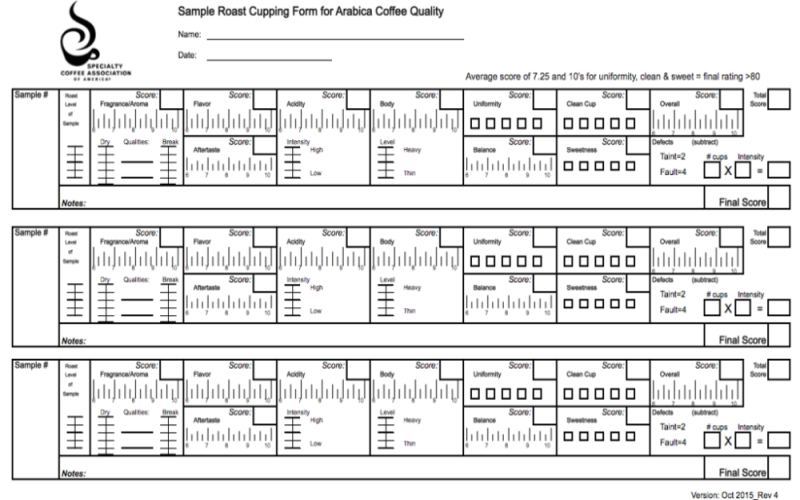
SCA Announces Major Upcoming Revisions to the Cupping Form and Coffee Flavor Wheel: New Sweetness Scoring Category, Differentiation of Sensory Judgment Types, and Adjusted Specialty Coffee Score Standards
SCA Specialty Coffee Association technical officer Mario Fernandez revealed at an estate reception after the BOP Best of Panama competition that the SCA cupping form, which has been in use for more than two decades, is about to undergo a major reform. The current cupping form mixes discriminatory, descriptive, and emotional sensory judgments together, which easily leads to scoring bias. The new plan intends to separate the three and add evaluation items such as sweetness. At the same time, the coffee flavor wheel will also break free from its North America-centered limitations and compile a globally applicable flavor reference. In addition, SCA also plans to widen the score gap between specialty coffee and commercial coffee; a coffee scoring 80 points may in the future drop to 75 points or even lower. This article will sort out the background, direction, and specific contents of this reform for you. [more…]
How Do Coffee Cuppers Objectively Evaluate Specialty Coffee Flavor? An Analysis of the Standardized Evaluation System for Coffee Bean Quality
The same cup of coffee—some people taste plum acidity and whisky aroma, while others find it merely sweet and easy to drink. So who ultimately decides these flavor differences? The quality assessment of specialty coffee relies on a team of professionally trained and certified Q graders, who follow a globally standardized procedure to score each item one by one, including dry fragrance, wet aroma, flavor, aftertaste, acidity, body, uniformity, balance, cleanliness, and sweetness. This article breaks down the complete cupping procedure in detail, from grind size, coffee-to-water ratio, and water temperature to breaking the crust, skimming, and slurping, and explains the specific meaning of scores from 6 to 10 in the SCAA scoring standards, helping coffee enthusiasts understand the reference value and limitations of cupping scores and find the coffee flavors that truly suit them. [more…]
An Analysis of the SCAA and COE Coffee Certification Systems: Differences in Scoring Standards and Their Essential Distinction from SOE
In the world of specialty coffee, the SCAA and COE are two authoritative systems that cannot be overlooked. The former established industry standards and cupping protocols, while the latter selects top-tier green beans through rigorous competitions. How do their scoring logics differ? And why are COE and SOE often confused? This article will trace the development and operational mechanisms of the SCAA, CQI, and COE, explain in detail the differences in cupping score sheets, and use the example of the 22nd-place sun-dried Typica that Front Street Coffee bid for at Ethiopia's first COE competition in 2020 to present the complete story from origin to cup. [more…]

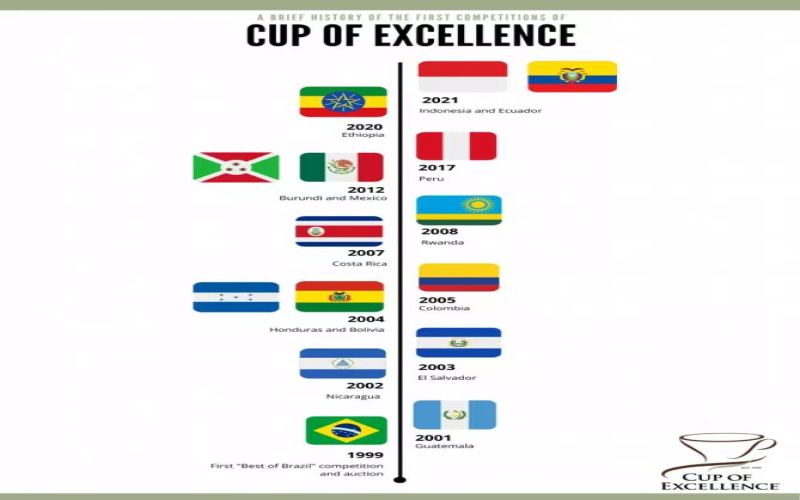
A Complete Guide to the Cup of Excellence (COE): Competition Format, Scoring, Auction Value, and Its Significance as a Benchmark for Specialty Coffee
COE (Cup of Excellence) is the most authoritative competition in the global specialty coffee field. Since its founding by ACE in Brazil in 1999, it has always represented the highest standard of coffee quality evaluation. This article systematically reviews CoE's origins and background, competition format and process, scoring system, and its profound impact on the coffee industry, while also explaining the score grading standards from commercial beans to competition level. For enthusiasts who follow specialty coffee development and auction trends, this is a complete guide not to be missed. Front Street Coffee will also continue to bring you competition news and bean selection references. [more…]
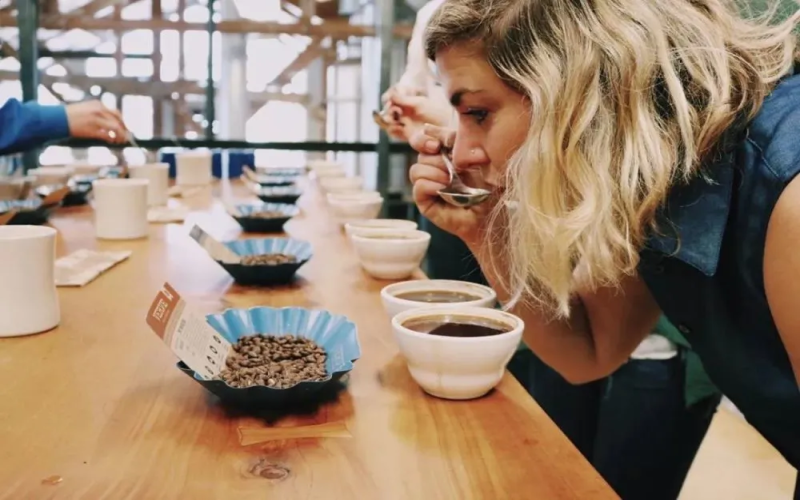
A Complete Guide to the SCAA Cupping Score System: From Eleven Metrics to Specialty Coffee Score Grading
Cupping began as a quality control method used in the trade to verify whether coffee beans met standards. After the rise of the specialty coffee movement, it gradually evolved into a scoring system for evaluating coffee. Anything below 80 points is classified as commercial grade, while reaching 80 or above crosses the threshold into specialty coffee—the higher the score, the more outstanding the quality. At present, the two globally recognized authoritative scoring systems come from the SCAA and the COE. This article focuses on the SCAA cupping scoring system, breaking down one by one its eleven scoring dimensions, the required number of sample cups, the division of score ranges, and how defect deductions are calculated, to help readers fully understand how a cup of coffee is quantified into a score. [more…]

A Detailed Explanation of the Ethiopian Coffee Bean Grading System: Standard Differences and Flavor Comparison Between Yirgacheffe G1 and G2
As the birthplace of coffee, Ethiopia's grading system directly affects the quality and flavor expression of coffee beans. The Yirgacheffe region is world-renowned, but what exactly is the difference between the commonly seen Front Street Yirgacheffe G1 and G2 coffee beans on the market? Behind this lies the evolution of Ethiopia's coffee grading system. From CLU to ECX, from simple defect counting to a comprehensive score combining physical characteristics and cupping flavor, the grading standards have undergone major changes. This article will systematically review the historical development and specific standards of Ethiopian coffee grading, compare the grading differences between washed and natural processing, and through three dimensions—green bean appearance, roasted bean appearance, and cupping flavor—deeply analyze the actual differences between Front Street Yirgacheffe G1 and G2, helping coffee enthusiasts understand the quality implications behind the grade numbers. [more…]
A Detailed Explanation of Ethiopia's Coffee Grading System: Grade Differences and Flavor Comparison Between Yirgacheffe G1 and G2
Yirgacheffe is one of Ethiopia's most representative specialty coffee regions, but what exactly is the difference between the commonly found Front Street Yirgacheffe G1 and G2 coffee beans? Which grade is higher? Behind this lies Ethiopia's complex coffee grading system. Starting from CoffeeHunters' review, this article systematically sorts out Ethiopia's coffee grading standards, compares the differences between G1 and G2 in defect rate, cupping score, and flavor performance, and helps coffee lovers gain a deeper understanding of the secrets of Yirgacheffe's grades. [more…]
A Complete Analysis of the Reasonable Price Range for Ethiopian Coffee and the Grading Differences Between Yirgacheffe G1 and G2
Ethiopian coffee has always won the favor of many coffee lovers with its affordable prices and rich floral and fruity aromas. But faced with the bewildering array of grade labels on the market, such as Yirgacheffe's G1 and G2, many people are not clear on exactly how they differ and which is more worth buying. This article will start with the price level of Ethiopian coffee, combine it with specific beans from Front Street Coffee, and then delve into the evolution of the country's coffee grading system—from the early CLU defect-count grading to the ECX scoring system that combines physical characteristics with cupping flavor—breaking down one by one the logic of grade classification under washed and natural processing, and focusing on comparing the substantive differences between G1 and G2 in defect rate and cupping score, to help you make more rational purchases of Ethiopian coffee. [more…]

Understanding the Ethiopian Coffee Bean Grading System: What Exactly Is the Difference Between Yirgacheffe G1 and G2?
Yirgacheffe is one of Ethiopia's most representative specialty coffee regions, and Front Street Yirgacheffe G1 and Front Street Yirgacheffe G2 are the two beans most easily available for everyday purchase. What exactly is the difference between G1 and G2? Which one is of better quality? To answer these questions, one must first understand Ethiopia's coffee grading system. From the evaluation perspective of Front Street Coffee, this article sorts out the origins and development of the two grading systems, CLU and ECX, analyzes the respective scoring dimensions of washed and natural processing, and presents the real differences between Front Street Yirgacheffe G1 and G2 through a direct comparison of green bean appearance, roasted bean appearance, and cupping flavor. [more…]
Ethiopian Yirgacheffe Coffee Beans: G1 vs G2 Grade Differences and Flavor Comparison Analysis
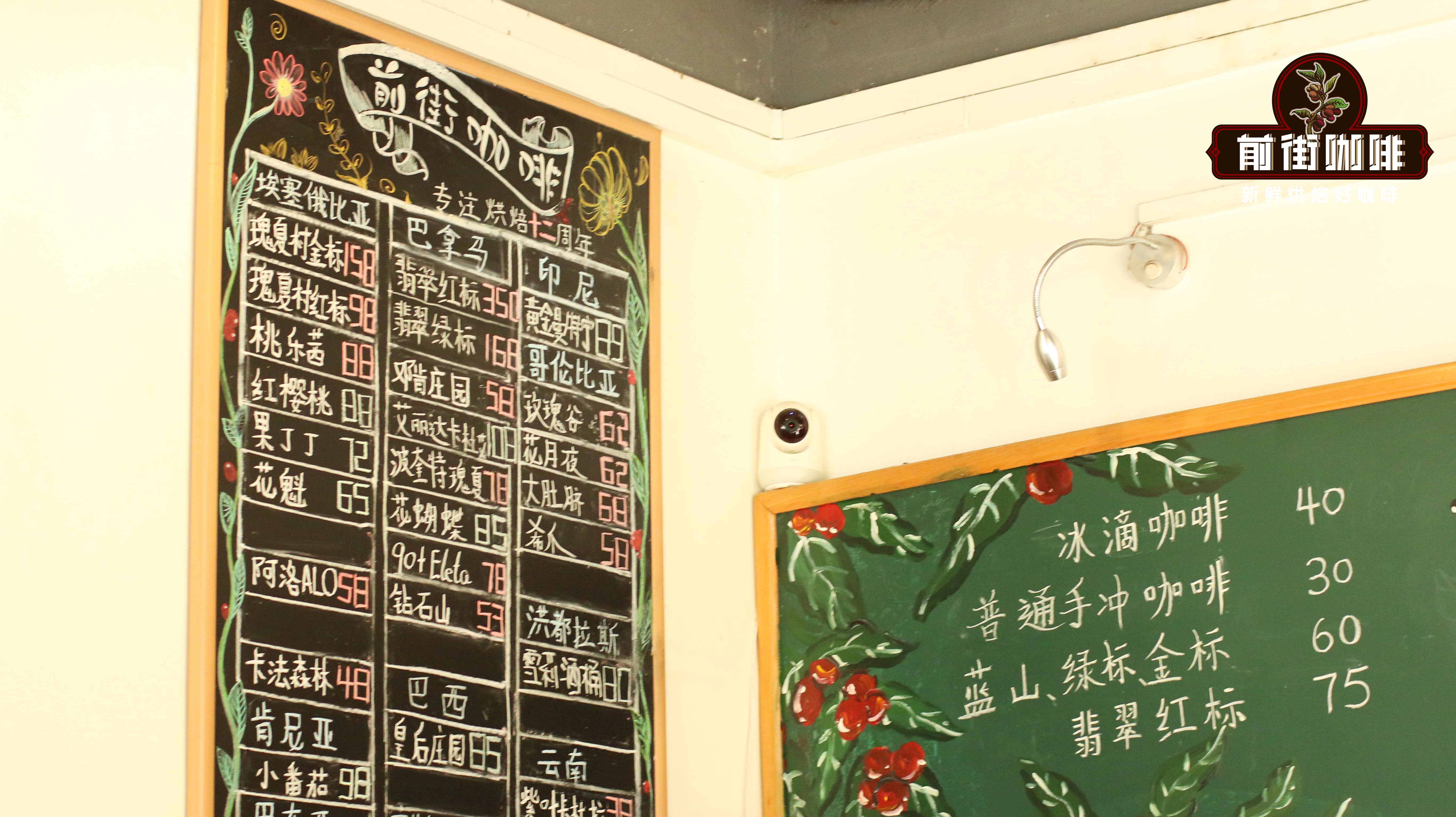
Yirgacheffe is a highly representative coffee-producing region in Ethiopia, and its G1 and G2 grades often confuse enthusiasts. Starting with Ethiopia's coffee grading system, this article sorts out the rating evolution of CLU and ECX, explains in detail the scoring standards of washed and natural processing in terms of physical characteristics and cupping quality, and compares the actual differences between Front Street Coffee Yirgacheffe G1 and G2 in green bean appearance, roasted bean appearance, and flavor. Through cupping, it was found that although the two share citrus, fruit tea, honey, and berry tones, G1 is superior in cleanliness and aroma refinement, while G2 is slightly thinner. It is suitable for coffee enthusiasts who want to gain an in-depth understanding of Yirgacheffe grades and purchasing. [more…]
Ethiopian Yirgacheffe G1 vs G2 Grading Differences: A Full Analysis of Washed and Natural Processing, Regions, and Estates
Yirgacheffe, as Ethiopia's most representative coffee region, has long been favored by coffee enthusiasts for the floral and fruity flavors produced by its washed and natural processing methods. But do you know how the G1 and G2 grades are actually divided? And what substantial differences exist between them? This article will systematically sort out Ethiopia's coffee bean grading system, tracing the evolution from CLU to ECX, explaining in detail the scoring standards for washed and natural processing methods in terms of physical characteristics and cup quality, and through an actual cupping comparison of Front Street Coffee's Yirgacheffe G1 and G2, reveal the specific differences between the two in terms of cleanliness, aroma complexity, and defect rate, helping you make a clearer judgment when purchasing. [more…]
A Comprehensive Analysis of the Meaning of Ethiopian Coffee G1 and G2 Grades and the Evolution of Its Grading System
Ethiopia, as Africa's largest coffee producer and the widely recognized birthplace of coffee, often labels its coffee beans with grades G1 or G2. What exactly do these letter-and-number combinations represent? This article traces the historical evolution of Ethiopia's coffee grading system, from the early CLU system that classified purely by defect count, to the introduction of cupping score comprehensive rating after the establishment of the ECX in 2009, and finally to the latest revised export standards in 2022. You will learn about the differences between washed and natural processing in grading, as well as the distinction between Q1 and Q2 specialty grades and commercial and domestic coffee. The article also retains product information from the Front Street brand, making it suitable for every reader who loves Ethiopian coffee to read in depth. [more…]
What exactly is the COE Cup of Excellence competition? A complete breakdown from the scoring criteria to Ethiopia's first auction beans
In the specialty coffee world, the Cup of Excellence (COE) is regarded as the most prestigious green coffee competition, and the top-ranked beans on its annual list often become the focal point of auctions. This competition, launched by ACE in Brazil in 1999, now covers more than a dozen producing countries, selecting the top 30 with cupping scores above 87 for a global auction. This article will outline the origins and scoring system of the COE, and focus on reviewing the story of the 22nd-place natural Typica that Front Street Coffee won at auction when Ethiopia first joined the COE in 2020—from West Arsi, grower Adem Banta Sute—as well as the processing, roasting, and brewing details of this bean. [more…]
2012 Global Specialty Coffee Green Bean Competition Top 10 List: Ethiopian and Colombian Geisha Shine
The Specialty Coffee Association of America's Roasters Guild hosted the 2012 Coffee of the Year (COTY) green coffee competition, bringing together 250 green coffees from 26 countries to compete on the same stage, ultimately selecting ten specialty coffees representing the highest standard of the year. Judges conducted blind tastings and scoring across six dimensions—dry fragrance, wet aroma, mouthfeel, flavor, aftertaste, and body—with Ethiopian and Colombian Geisha emerging as the biggest winners. This article will present the complete detailed data of this top ten list and interpret the outstanding performance of various regions and varieties, providing coffee enthusiasts with a professional reference. Front Street Coffee will also combine the list to recommend specialty beans worth paying attention to. [more…]